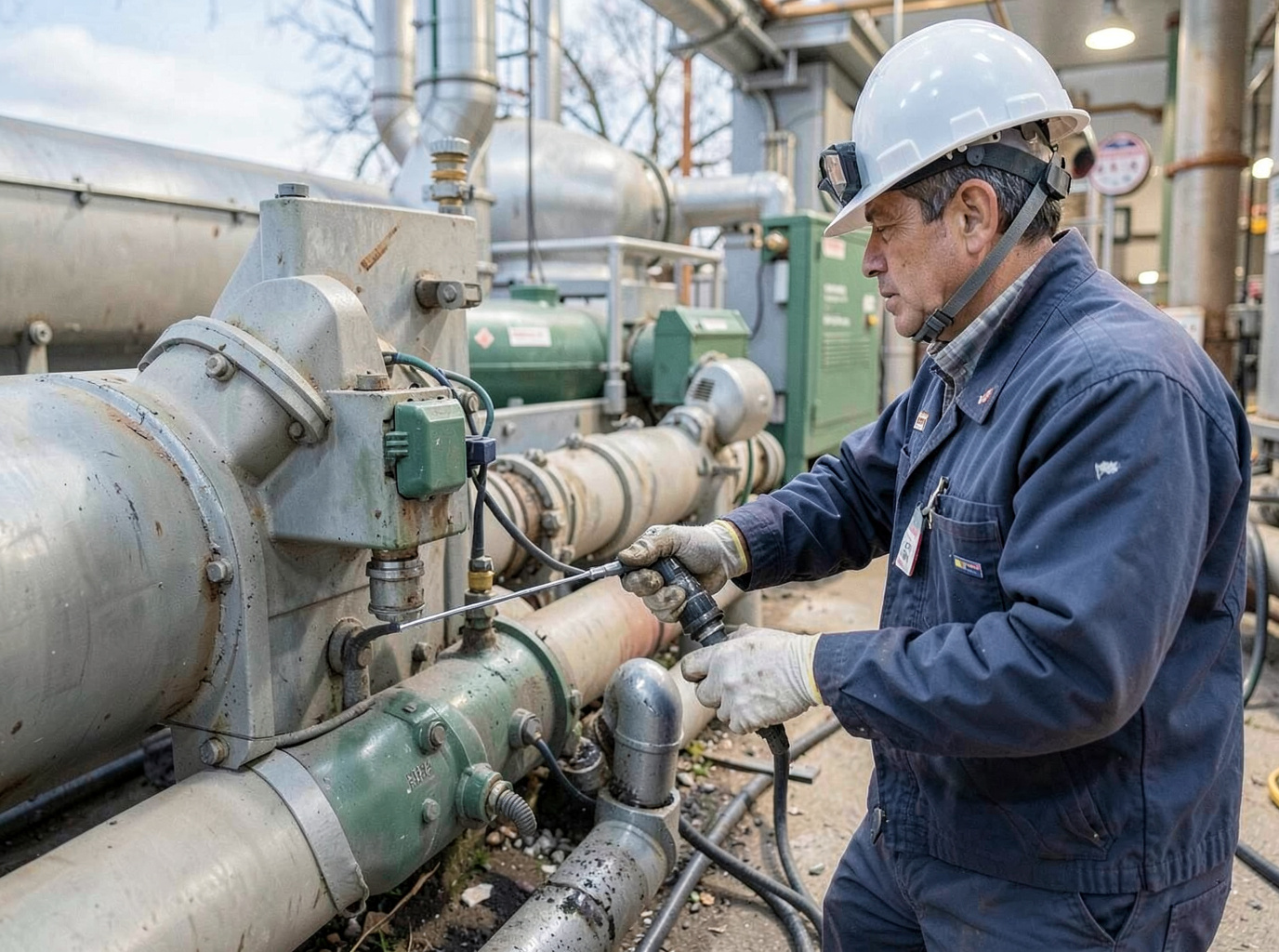
Murfreesboro’s older homes in Downtown and near Middle Tennessee State University often have clay or cast-iron lines installed decades ago. These materials shift with the county’s clay-heavy soils and mild winters that let tree roots stay active year-round. A video inspection starts at a cleanout or roof vent, then pushes a self-leveling camera through the line while recording distance markers so crews know exactly where a break or intrusion sits relative to the foundation or driveway.
Hot humid summers increase groundwater levels around Barfield and Blackman, which can mask slow leaks until they surface in yards or basements. The camera reveals standing water, offset joints, and grease buildup common from nearby restaurants along The Avenue. Technicians note pipe diameter changes and any bellied sections that trap debris, giving homeowners a recorded file they can share with realtors or insurance when selling property between Murfreesboro and Smyrna.
Terrain near Stones River National Battlefield includes slight slopes that affect how quickly waste moves, so inspectors watch for low spots where solids settle. The service also checks for illegal tie-ins or collapsed sections that violate Rutherford County codes. Findings determine whether a simple hydro-jetting will clear the line or if a section needs trenchless repair before the next heavy rain.
Technician insight
In Murfreesboro the thing that catches most people out with Video Sewer Line Diagnostics is how fast roots re-enter clay lines after a mild winter; homes in Blackman built before 1980 often show new growth every two seasons because the ground never stays frozen long enough to kill them off.
Downtown Backup After Heavy Rain
A homeowner on a side street near the courthouse called after water backed into the laundry room following a summer storm. The camera showed a root mass 42 feet from the cleanout where an old clay joint had separated. We cleared the roots on the spot and recommended a spot repair before the next rain cycle hit the Stones River watershed.
Video Sewer Line Diagnostics Services We Offer
✓Residential Sewer Camera Inspection
Full-length video scan of home sewer laterals in neighborhoods like Blackman to locate roots, cracks, or bellies before they cause backups.
✓Commercial Drain Line Diagnostics
Larger-diameter camera work for restaurants and businesses near The Avenue to identify grease traps and shared line issues without shutting down operations.
✓Root Intrusion Assessment
Targeted camera runs that map tree root entry points common in Murfreesboro’s mild winters and clay soils around older Downtown properties.
✓Pre-Purchase Sewer Evaluation
Recorded inspection for buyers checking homes near Middle Tennessee State University or Barfield to verify line condition before closing.
✓Pipe Material and Condition Report
Identification of clay, PVC, or cast-iron sections plus documented footage showing offsets or corrosion that affect repair choices.
Video Sewer Line Diagnostics Cost in TN
| Service | Typical Range | What Affects It |
|---|---|---|
| Standard Residential Camera Scan | $175–$325 | Single-family homes under 3,000 sq ft with accessible cleanout |
| Extended Or Commercial Line | $300–$550 | Longer runs or shared lines behind businesses |
| Add-On Locating Service | $75–$150 | Surface marking of problem spots for excavation planning |
Ranges are typical for TN and confirmed with an exact written quote before any work starts.
How it works
- 1
Schedule And Access Review
Confirm cleanout location or roof vent access and note any recent construction in the Rutherford County yard.
- 2
Camera Insertion And Recording
Feed the self-leveling camera from the chosen entry point while logging footage and distance markers.
- 3
Live Review And Findings
Walk through the video with the homeowner, pausing at every defect and explaining repair options.
- 4
Report And Next Steps
Deliver the digital recording and written summary that can be forwarded to plumbers or insurers.
Pricing
Most inspections finish in one visit; price depends on access difficulty and line length.